






















Short answer: maca is a Peruvian root used traditionally for energy and libido. Small studies suggest it may support sexual desire and a sense of energy or wellbeing for some people, but the evidence is limited and mixed — so treat it as a gentle, promising support, not a guaranteed fix.
What is maca?
Maca (Lepidium meyenii) is a root from the Andes, taken as a powder or in drinks. It's often grouped with adaptogens — plants thought to help the body cope with stress — though it works differently from hormones and doesn't contain them.
What does the research show?
Some small randomised trials report improvements in self-reported libido and, in certain groups, mood or energy, with a few studies in menopausal women suggesting wellbeing benefits. But studies are small and varied, so the honest read is "encouraging early evidence," not strong proof. Maca doesn't directly change your hormone levels.
How to use it
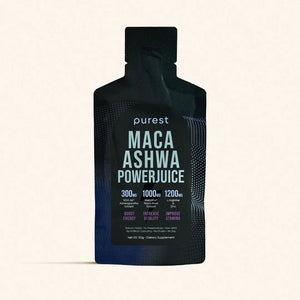
Maca is taken daily and any effects build over weeks. Our Maca Ashwa Powerjuice pairs maca with ashwagandha for an everyday energy-and-resilience routine. As always, the foundations — sleep, movement, stress management, and addressing low iron or thyroid issues — matter most for energy and desire.
FAQ
Does maca balance hormones? It doesn't contain or directly change hormones; any benefits work via other pathways.
How long until I notice anything? Studies typically run several weeks of daily use; results vary.
Is maca safe? Generally well tolerated as a food; check with your doctor if pregnant, breastfeeding, or managing a thyroid condition.
General education only, not medical advice. Persistent low energy or libido can have medical causes worth discussing with a professional.