



















Short answer: chronic stress keeps cortisol elevated, which can increase appetite and cravings (especially for sugary, fatty foods), disrupt sleep, and is associated with more fat stored around the middle. Cortisol isn't the villain on its own — but the stress-poor-sleep-cravings cycle it fuels is very real, and breakable.
What cortisol actually does
Cortisol is a normal, necessary hormone that helps you wake up and respond to challenges. The problem is chronic elevation from ongoing stress and poor sleep. Over time that can drive cravings, make blood sugar harder to manage, and is linked with more abdominal fat — a pattern many women notice during high-stress phases.
Breaking the cycle
The highest-impact moves aren't dramatic: protect sleep (the single biggest cortisol and appetite lever), move regularly (but don't overtrain, which adds stress), eat balanced meals to steady blood sugar, and build genuine downtime into your week. These address the root rather than just the waistline.
Where supplements may support
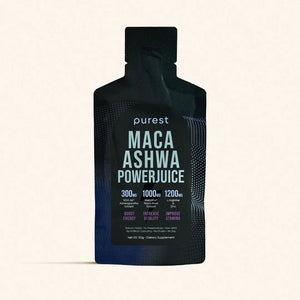
Adaptogens are popular for stress resilience — our Ashwa Lychee Drink features ashwagandha, studied for reducing perceived stress and cortisol in some trials. For the metabolism side, a gut-and-metabolism routine like our Sicilian Orange Slimming Elixir can sit alongside balanced eating. These support good habits — they don't override chronic stress or guarantee fat loss.
FAQ
Does cortisol cause belly fat? Chronically high cortisol is associated with more abdominal fat and cravings, but it works alongside sleep, diet and genetics.
Can supplements lower cortisol? Some adaptogens show modest effects in studies; sleep and stress management matter more.
What's the first thing to fix? Sleep — it has the biggest knock-on effect on stress hormones and appetite.
General education only, not medical advice. Persistent stress or unexplained weight changes should be discussed with a healthcare professional.
